June 16, 2026
How to Care for Your Phalaenopsis at Home: A Beginner's Guide
Learn the essential Phalaenopsis care basics: light, watering, fertilizer, humidity, and temperature, so your orchid can stay healthy.
By Vigi
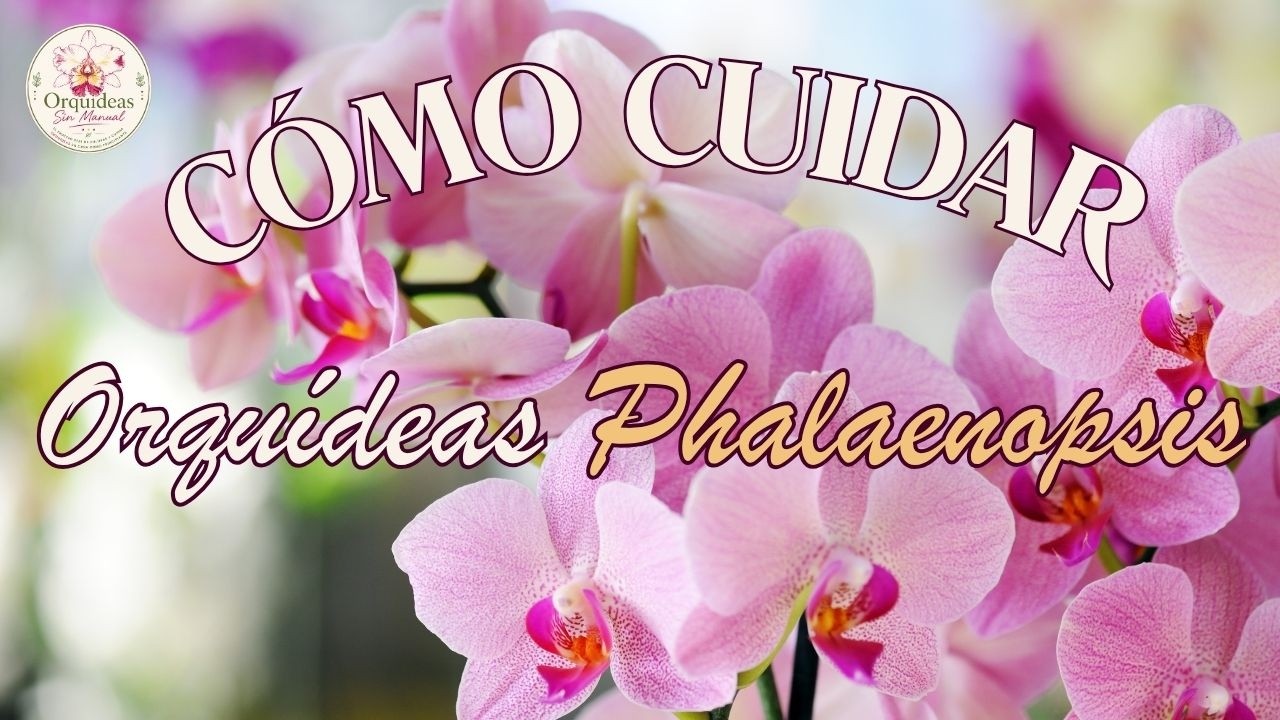
Did you already buy your first orchid? Did you choose one that looked beautiful, healthy, and perfect? And now what? How do you care for it at home so it stays just as beautiful?
Let’s be honest: Phalaenopsis orchids are not the typical plant you leave on the balcony in direct sun and water whenever you remember. But here is the good news: caring for a Phalaenopsis orchid is not impossible. You just need to understand how it works.
In this article, you will learn the basic care points that truly matter: where to place it, how to water it, how much light it needs, and which mistakes to avoid from the beginning so you can keep it alive for much longer.
Before We Begin: What Are Epiphytic Orchids?
Before getting into the specific care steps, there is something very important to understand. There are more than 25,000 natural orchid species and many, many hybrids. Phalaenopsis is probably the orchid you have at home or see in supermarkets and nurseries, and it is one of the best options for beginners because it adapts well indoors.
But one detail changes completely how you care for them: Phalaenopsis are epiphytic orchids. This means that in nature they do not grow buried in soil like common plants. Instead, they attach themselves to tree trunks and branches. Their roots are exposed to the air, receive plenty of ventilation, and absorb moisture from the environment, rain, and humid tropical forest air.
This is the key to understanding everything else: how to water them, how much light they need, why they grow in bark instead of soil, and which mistakes to avoid at home.
1. Light: Plenty of Brightness, but No Direct Sun
Light is probably the most important care point. Phalaenopsis orchids need a lot of light, but never direct sun. This difference is essential because many people get confused: when they hear that these orchids cannot tolerate direct sun, they place them far away from the window. Usually, that ends up being much too little light for the plant.
Where Should You Place It?
- Northern hemisphere: east-facing windows are usually ideal because they receive gentle morning light. North-facing windows can be too low in light. South- or west-facing windows usually need a sheer curtain to filter the strong sun.
- Southern hemisphere: east is still a good option because it still receives morning light. What reverses is north/south: south-facing windows can be lower in light, while north-facing windows usually receive more sun and may need a curtain.
A good spot near a window with plenty of brightness during the day, but protected from strong direct sun (especially midday sun), is usually perfect. Direct sun can burn the leaves very easily, while too little light causes weak growth, smaller leaves, weaker roots, and above all a lack of blooms.
2. Watering: Probably Where Beginners Struggle Most
Watering is one of the fastest ways to damage an orchid and the main reason beginners lose them. Why? Because we naturally think: the more water, the better. With Phalaenopsis orchids, it is exactly the opposite.
The golden rule is this: the potting mix should dry between waterings. It should not stay constantly wet.
What Water Should You Use?
- Ideally, use rainwater (the closest option to what they receive in nature).
- An excellent alternative: filtered water.
- If you cannot filter it, let it sit for 24 to 48 hours so some of the chlorine can evaporate.
- Always avoid water with too much chlorine or excess minerals.
When Should You Water?
Many people know that orchid roots change color: greenish when hydrated, grayish or silvery when dry. But the signs go beyond that:
- Check the potting mix: if it still looks dark or damp, even if some roots are silvery, it probably does not need water yet.
- Feel the weight of the pot: when the potting mix is wet, it feels fairly heavy; when it dries, it feels much lighter.
- Use the finger or skewer trick: insert it into the pot. If you feel moisture, even a little, wait a few more days.
- Check the leaves: when the orchid starts to need water, the leaves may lose a little firmness and feel softer, especially at the tips.
An important sign: do not wait until deep grooves appear on the leaves, because that already indicates severe dehydration. Remember: it is much better for the orchid to be a little thirsty than constantly wet. Constant moisture causes root rot.
How Should You Water?
The most common methods are watering from above (as you would with regular plants) or soaking by immersion. For beginners, immersion is usually much safer because it hydrates the potting mix properly and helps avoid water getting trapped between the leaves.
Steps for watering by immersion:
- Use a clean container with enough depth (a recycled yogurt container works perfectly).
- Fill it with filtered water until it covers about two thirds of the pot.
- Place the pot inside and leave it for 15 to 20 minutes.
- Take it out and move it gently so the excess water drains out.
- Let it drain for at least 20 minutes somewhere it can drain completely before returning it to its place.
Important: never reuse the same water for other orchids, and do not place several pots together in the same large container. Each orchid should be watered in its own container with fresh, clean water to avoid transferring diseases and fungi.
How Often?
There is no exact number of days for watering a Phalaenopsis. How quickly the potting mix dries depends on room temperature, humidity, ventilation, the season, and the type of potting mix your orchid has.
That is why, instead of following a fixed calendar, it is better to build a routine for checking your orchids regularly. In winter, they may take much longer to dry than in summer. The important thing is not to water every 7 or 15 days, but to learn how to recognize when the plant truly needs water.
3. Fertilizing: Food Without Excess
Fertilizing often confuses beginners. Sometimes we assume that because the plant is growing in bark, it gets its nutrients from there, but that is not how it works. The potting mix for Phalaenopsis does not work like regular soil: its main job is to support the plant and keep the roots ventilated, but it provides very little nutrition.
The orchid gets nutrients mainly from fertilizer, water, and photosynthesis. Without fertilizer, the plant may not have enough energy to grow properly, develop new leaves and roots, maintain blooms, or produce future blooms at home.
Frequency can vary depending on the plant’s stage. When an orchid is in bloom, it usually needs a little more energy to support the flowers. During vegetative growth, when it is producing leaves and roots, fertilizing can be gentler.
With orchids, more fertilizer does not mean better results. In fact, overfertilizing is one of the most common mistakes. A cautious recommendation is to use about half the dose suggested by the manufacturer and alternate fertilizing with plain-water rinses. This helps prevent salt buildup and possible root burn.
Key idea: balanced fertilizing throughout the year helps growth and blooming, but with orchids, balance is everything.
4. Ambient Humidity
Phalaenopsis orchids come from tropical environments where the air usually has plenty of humidity. Although many can survive indoors, when the air is too dry they may show stress faster.
An ideal humidity range for Phalaenopsis is often around 60% to 80%. If you live somewhere naturally humid, you may not need to worry much about this. But if your home is dry, especially during winter, it can be helpful to increase humidity a little around the plants.
Some options include using humidifiers, trays with water, grouping several plants together, or adjusting the potting mix so it holds a little more moisture.
Humidity and Potting Mix
The type of potting mix has a big impact on how moisture is held inside the pot. In very dry environments, mixes that drain too quickly may not be ideal. If you cannot raise ambient humidity much, the pot may need to retain a little moisture for longer.
Still, humidity should not mean lack of air. The important balance is humidity with aeration. That is why many growers add extra holes to the pot, both on the sides and at the bottom, to improve drainage and airflow.
A mix with pine bark, charcoal, and some sphagnum moss can help in dry environments: bark and charcoal drain very well, while sphagnum holds a little more moisture inside the pot.
5. Aeration and Ventilation
Orchid roots need to breathe too. That is why Phalaenopsis orchids need not only humidity, but also good air exchange around the plant and the roots.
There is an important difference between ventilation and strong drafts. Avoid placing the orchid directly in front of an air conditioner, heater, or constant draft, especially while it is blooming.
Something as simple as opening a window every day for 20 or 30 minutes can make a big difference.
6. Temperature
Fortunately, Phalaenopsis orchids usually adapt quite well to normal indoor temperatures. In general, they grow best between about 18 and 30 ºC, though they can tolerate lows near 15 ºC, and some hybrids may tolerate highs up to 33 ºC.
Below those values, growth may slow down, and extremely low temperatures can damage the plant. You should also avoid direct sources of heat or cold, such as radiators, heaters, air conditioners, or very cold drafts.
A slight drop in temperature between day and night, around 5 ºC, especially in late summer and early fall, can help stimulate flower spike development.
In Summary
Caring for a Phalaenopsis is not about memorizing complicated rules. It is about understanding how the plant lives and trying to offer it conditions at home that are as close as possible to what it would have in nature.
The main points are:
- Good lighting, with plenty of brightness and no strong direct sun.
- Proper watering, letting the potting mix dry between waterings and observing the plant’s signals.
- Balanced fertilizing to support leaves, roots, and blooms.
- Enough ambient humidity, especially in dry homes.
- Good ventilation to prevent fungal issues and excess moisture.
- Stable temperature, avoiding extreme cold and direct heat sources.
If you keep these aspects in balance, you will have covered the most important needs of a Phalaenopsis. At first it may feel like a lot of information, but over time you will learn to read your orchid’s signals, understand what it needs, and correct small problems before they become serious.
You do not need to do everything perfectly from the first day. Everyone makes mistakes and learns along the way. The important thing is to observe, adjust, and enjoy the process of caring for orchids at home.